Pregnancy Nutrition Guide
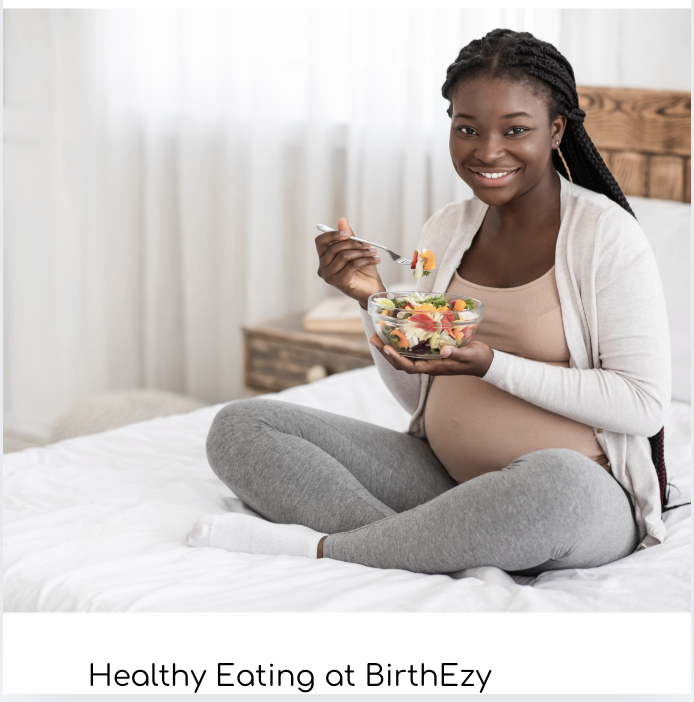
Pregnancy nutrition is about consistent patterns, not perfect eating. Build most meals from vegetables or fruit, a protein source, a high-fiber carbohydrate, and a healthy fat. 🟢 𝗣𝗥𝗢𝗧𝗘𝗜𝗡 & 𝗘𝗡𝗘𝗥𝗚𝗬 — Needs rise during pregnancy, especially later, but “eating for two” usually leads to excessive intake. Include eggs, poultry, fish, beans, lentils, tofu, yogurt, nuts, or lean meat according to your preferences and medical needs. 🔵 𝗖𝗔𝗥𝗕𝗢𝗛𝗬𝗗𝗥𝗔𝗧𝗘𝗦 & 𝗙𝗜𝗕𝗘𝗥 — Choose oats, brown rice, whole-grain breads, beans, vegetables, and fruit more often than highly refined foods. Pair carbohydrate with protein or fat to support steadier glucose. Fiber plus adequate fluid helps constipation; increase fiber gradually. 🟣 𝗞𝗘𝗬 𝗡𝗨𝗧𝗥𝗜𝗘𝗡𝗧𝗦 — Take a prenatal vitamin as directed. Folic acid is especially important before conception and early pregnancy; iron supports increased blood volume; iodine supports thyroid and fetal brain development; choline, vitamin D, calcium, vitamin B12, and omega-3 fats also matter. Doses should be individualized—more is not always safer. Avoid high-dose vitamin A in the retinol form unless prescribed. 🐟 𝗙𝗜𝗦𝗛 & 𝗢𝗠𝗘𝗚𝗔-𝟯𝘀 — Choose lower-mercury fish two to three times weekly, such as salmon, shrimp, pollock, tilapia, sardines, or canned light tuna. Avoid shark, swordfish, king mackerel, marlin, orange roughy, tilefish from the Gulf of Mexico, and bigeye tuna. Limit albacore tuna according to current guidance. 🔴 𝗙𝗢𝗢𝗗 𝗦𝗔𝗙𝗘𝗧𝗬 — Avoid unpasteurized milk or cheese, raw or undercooked eggs, meat, seafood, and sprouts. Heat deli meats and hot dogs until steaming if consumed. Wash produce, prevent cross-contamination, refrigerate promptly, and follow local advisories for caught fish. ⚠️ 𝗖𝗔𝗙𝗙𝗘𝗜𝗡𝗘, 𝗔𝗟𝗖𝗢𝗛𝗢𝗟 & 𝗛𝗘𝗥𝗕𝗔𝗟𝗦 — Keep caffeine within the limit recommended by your clinician; many authorities advise no more than 200 mg daily. No amount of alcohol is known to be safe in pregnancy. Review herbal teas, powders, weight-loss products, and supplements with your clinician because “natural” does not guarantee safety or purity. 🟠 𝗡𝗔𝗨𝗦𝗘𝗔 & 𝗛𝗘𝗔𝗥𝗧𝗕𝗨𝗥𝗡 — Try small frequent meals, bland protein-rich snacks, fluids between meals, and avoiding long fasting periods. Seek care if you cannot keep fluids down, urinate very little, feel faint, lose weight, vomit blood, or have severe pain. 🟣 𝗦𝗣𝗘𝗖𝗜𝗔𝗟 𝗖𝗢𝗡𝗗𝗜𝗧𝗜𝗢𝗡𝗦 — Diabetes, hypertension, kidney disease, anemia, food allergies, bariatric surgery, vegan diets, eating disorders, and multiple pregnancy require individualized planning. 💧 𝗛𝗬𝗗𝗥𝗔𝗧𝗜𝗢𝗡 — Use thirst and urine color as practical guides unless fluid restriction is prescribed. Increase fluids with heat, exercise, vomiting, or diarrhea. Contact your maternity team for persistent vomiting, dehydration, rapid swelling with headache or vision changes, or concerns about fetal movement. This guide is educational and does not replace a personal nutrition or medical plan. ✨ 𝘛𝘢𝘬𝘦𝘢𝘸𝘢𝘺: Consistent nourishing choices matter more than perfect eating.